Estate Planning & Administration
Trust Administration After Death: What the Successor Trustee Needs to Do
Last updated February 2026
7 min read
✓ Verified Feb. 2026
When the settlor of a revocable trust dies, the trust typically becomes irrevocable and the successor trustee steps in. Unlike probate , there is no court oversight by default; which means the successor trustee must know what to do without the Register of Wills or Orphans’ Court directing the process. The legal duties are real, and the liability for getting them wrong is personal.
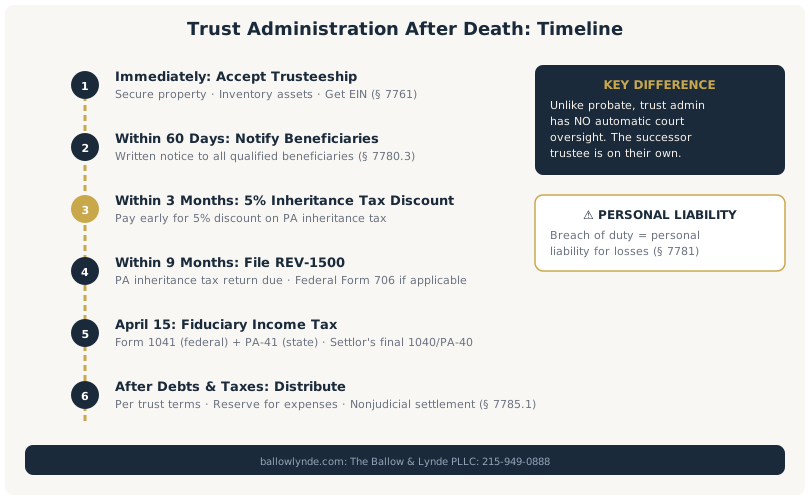
Accept the trusteeship. Under 20 Pa.C.S. § 7761, a person designated as trustee accepts by substantially complying with any method in the trust, or by exercising powers or taking delivery of trust property. You can also reject the trusteeship if you haven’t yet accepted.
Secure and inventory trust property. The trustee has a duty to take reasonable steps to take control of and protect trust property (§ 7774, prudent administration). Inventory all assets titled in the trust’s name, bank and investment accounts, real property, and any property that should have been in the trust but wasn’t.
Obtain a tax identification number. A revocable trust that used the settlor’s Social Security number during life needs its own EIN after the settlor’s death, since it’s now a separate taxpayer.
This is where many successor trustees stumble. Pennsylvania’s Uniform Trust Code imposes specific notification requirements:
Notice after settlor’s death (§ 7780.3(c)): Within 30 days of learning that the settlor has died, the trustee must send written notice to the settlor’s personal representative, the settlor’s spouse (or spouse’s guardian), each of the settlor’s children who is sui juris (and the guardian of each child who is not), and the trust’s current beneficiaries. The notice must state the trust’s existence, the settlor’s identity, the trustee’s contact information, the right to request a copy of the trust instrument, and the right to receive periodic financial reports (§ 7780.3(i)).
Duty to inform and report (§ 7780.3): The trustee must keep qualified beneficiaries reasonably informed about the administration of the trust and of the material facts necessary for them to protect their interests. Upon request, the trustee must provide a beneficiary with relevant information about trust assets, liabilities, receipts, and disbursements.
Read the trust instrument carefully. Most revocable trusts direct outright distributions to named beneficiaries after the settlor’s death, but some create ongoing sub-trusts (for minor beneficiaries, for tax planning, or for special needs purposes). The trustee distributes according to the terms, not according to what beneficiaries request.
Before distributing, the trustee should ensure all debts, taxes, and administrative expenses are paid or adequately reserved. Under § 7780.7, upon termination, the trustee distributes trust property within a reasonable time, subject to a reasonable reserve for debts, expenses, and taxes.
Pennsylvania’s 2024 amendments (Act 64) added § 7785.1, which gives trustees a formal mechanism for settling accounts without filing in Orphans’ Court. The trustee provides 30 months of account statements and a proposed distribution to all qualified beneficiaries. If no one objects within the statutory period, the settlement is deemed approved with the same preclusive effect as a court-approved accounting.
This is a significant development for trust administration. It provides the trustee with a release from liability without the cost and delay of a court proceeding, while still protecting beneficiaries’ rights to object.
A trustee who breaches a duty is personally liable for the resulting loss (§ 7781). Common areas of exposure include failing to notify beneficiaries, making imprudent investments, self-dealing (§ 7772), failing to act impartially among beneficiaries (§ 7773), and distributing assets before settling tax obligations.
However, a trustee who acts in reasonable reliance on the terms of the trust instrument is not liable for a breach resulting from that reliance (§ 7786). And the limitation period for actions for breach of trust is governed by § 7785.
Trust vs. Estate Administration
Trust administration after death closely parallels estate administration but without automatic court oversight. There is no Register of Wills to catch mistakes. The successor trustee is on their own unless they affirmatively seek court guidance. For complex trusts or contentious family situations, professional help is not optional, it’s how you protect yourself.
Statutory content on this page was last verified against Pennsylvania statutes (20 Pa.C.S.; 72 P.S. Art. XXI): February 2026 . If you are reading this significantly after that date, confirm key provisions with current statute text or contact our office.
Free consultations available for most practice areas.
Book a Free Consultation Or call 215-949-0888